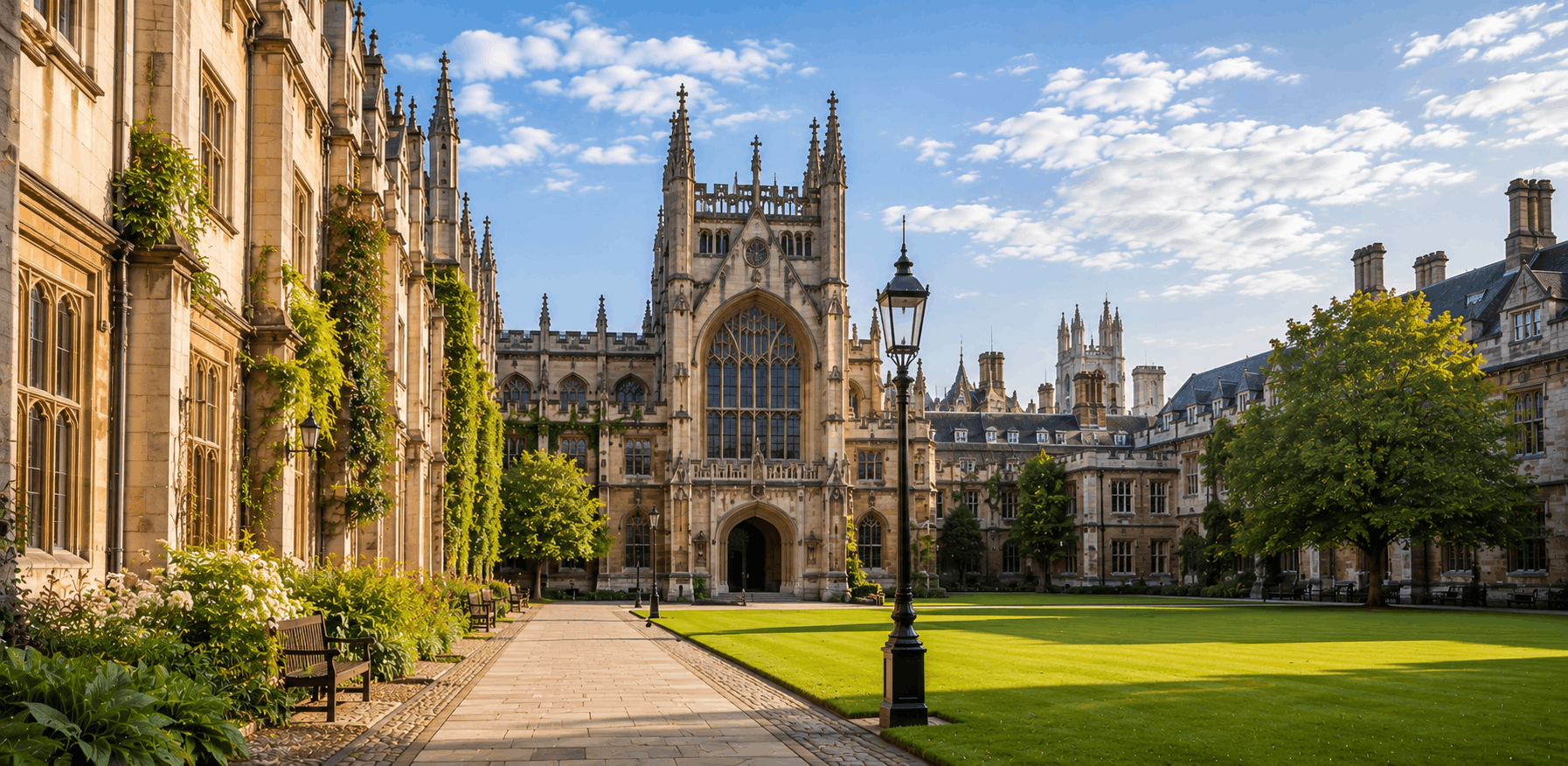

Study in Germany: What You Need to Know Before You Apply
Table of Contents
- Why Study in Germany Makes Sense for International Students
- Top Universities to Study in Germany
- Cost of Studying in Germany for International Students
- Courses and Popular Programs in Germany
- Admission Requirements to Study in Germany
- Student Visa Process for Germany
- Job Opportunities After Study in Germany
- Conclusion
For living expenses, international students typically need about €992 per month (approximately ₹89,000–₹90,000). Students can work part-time up to 20 hours per week to manage costs. After graduation, Germany allows up to 18 months to stay and find a job, making it easier to transition from study to career.
Why Study in Germany Makes Sense for International Students
Choosing to study in Germany is less about prestige and more about smart decision-making. Public universities often charge little to no tuition fees, which immediately reduces financial pressure. Compared to other countries, this can save lakhs without compromising on education quality.
Another key factor is Germany’s strong industrial base. Companies across automotive, manufacturing, IT, and finance actively hire graduates. This means your degree isn’t just academic it connects directly to real job opportunities. Many programs include internships or practical semesters, which give you early exposure to the workplace.
What most students overlook is how structured and efficient the system is. Courses are designed to be focused, with clear outcomes. You won’t waste time on unnecessary subjects, and that helps you enter the job market faster.
Also, Germany offers a stable and safe environment for students. With good public transport, student discounts, and strong support systems, adjusting becomes easier than expected. This becomes important when you’re managing studies, part-time work, and life in a new country.
Top Universities to Study in Germany
Germany is home to some of the best universities in Europe, especially known for engineering, technology, and research-driven programs. Many of these institutions consistently rank globally and maintain strong ties with industries.
Before choosing where to study in Germany, it’s important to understand that universities focus heavily on research and practical learning. This means access to labs, real-world projects, and collaboration with companies.
Here are some leading universities:
University | Known For | Global Recognition |
Technical University of Munich | Engineering, Technology | Top-ranked globally |
Ludwig Maximilian University Munich | Science, Research | Strong academic reputation |
Heidelberg University | Medicine, Life Sciences | Oldest and prestigious |
RWTH Aachen University | Mechanical, Automotive | Industry-focused |
University of Stuttgart | Engineering, Design | Strong technical programs |
These universities don’t just offer degrees—they create pathways into industries. Many graduates move directly into companies after completing internships or thesis projects linked with organizations.
Cost of Studying in Germany for International Students
One of the biggest reasons students choose to study in Germany is affordability. Public universities usually charge minimal tuition, but living costs still need planning.
Even though tuition is low, your monthly expenses will depend on your lifestyle and city. Cities like Munich and Frankfurt are more expensive, while smaller towns are more affordable.
Here’s a breakdown of average costs:
Expense Category | Monthly Cost (EUR) | Approx INR |
Accommodation | €300–€700 | ₹27K–₹63K |
Food | €150–€250 | ₹13K–₹23K |
Transport | €50–€100 | ₹4.5K–₹9K |
Health Insurance | €110–€120 | ₹10K–₹11K |
Miscellaneous | €100–€200 | ₹9K–₹18K |
Overall, students typically spend around €850–€1,200/month (₹77K–₹1.1L).
What actually matters here is planning. Even with low tuition, you need proof of funds for a student visa. Most students use blocked accounts to show financial stability.
Courses and Popular Programs in Germany
When you decide to study in Germany, choosing the right course matters more than the university name. Germany is especially strong in technical and applied fields, but options are expanding across business and data-related domains.
Programs are structured to combine theory with application. This means you’ll often work on real projects, case studies, or research assignments that reflect industry problems.
Popular courses include:
Engineering and Technology
Germany is globally known for mechanical, automotive, and electrical engineering. These programs often include lab work and internships with companies.
Business and Management
Courses in finance, international business, and management are growing in demand, especially in English-taught formats.
Computer Science and Data Science
AI, cybersecurity, and data analytics programs are increasingly popular due to high job demand.
Healthcare and Life Sciences
Fields like biotechnology, pharmacy, and medical research are also strong areas in German universities.
Many programs are available in English, especially at the master’s level. However, learning basic German can significantly improve job opportunities and daily life.
Admission Requirements to Study in Germany
Getting into a German university is straightforward if you meet the criteria. The process is structured, and requirements are clearly defined.
To study in Germany, you typically need:
Academic Qualifications
A recognized bachelor’s degree for master’s programs or equivalent for undergraduate courses. Your academic background should match the course you apply for.
Language Requirements
English-taught programs: IELTS/TOEFL
German-taught programs: TestDaF or DSH
Some universities may waive IELTS if your previous education was in English.
Documents Required
Academic transcripts
Statement of Purpose (SOP)
Letters of Recommendation
CV/Resume
Passport copy
What most students miss is document accuracy. Even small errors in transcripts or translations can delay applications.
Student Visa Process for Germany
To study in Germany, international students must apply for a German student visa. The process is structured but requires proper financial and document proof.
Key Requirements
University admission letter
Blocked account (around €11,208/year)
Health insurance
Academic documents
Visa application form
The blocked account is crucial-it shows you can support yourself financially during your stay.
Visa processing usually takes 4–8 weeks, so applying early is important. Delays often happen due to incomplete documentation.
Job Opportunities After Study in Germany
Career prospects are one of the strongest reasons to study in Germany. The country has a high demand for skilled professionals, especially in technical and analytical roles.
Germany allows international students to stay back for up to 18 months after graduation to find a job. This gives you enough time to explore opportunities.
Here are some common job roles and salaries:
Job Role | Avg Salary (EUR/year) | Approx INR |
Software Engineer | €55K–€80K | ₹50L–₹73L |
Mechanical Engineer | €50K–€75K | ₹45L–₹68L |
Data Scientist | €60K–€90K | ₹55L–₹82L |
Business Analyst | €50K–€70K | ₹45L–₹64L |
Electrical Engineer | €52K–€78K | ₹47L–₹71L |
What actually matters here is skills. German employers focus more on practical experience than just degrees. Internships, projects, and language skills can significantly improve your chances.
Conclusion
Choosing to study in Germany is a practical decision for students who want quality education without heavy financial burden. With strong universities, industry exposure, and solid job opportunities, Germany offers both academic and career value. If you plan carefully-especially finances, course selection, and language-you can build a clear path from education to employment.